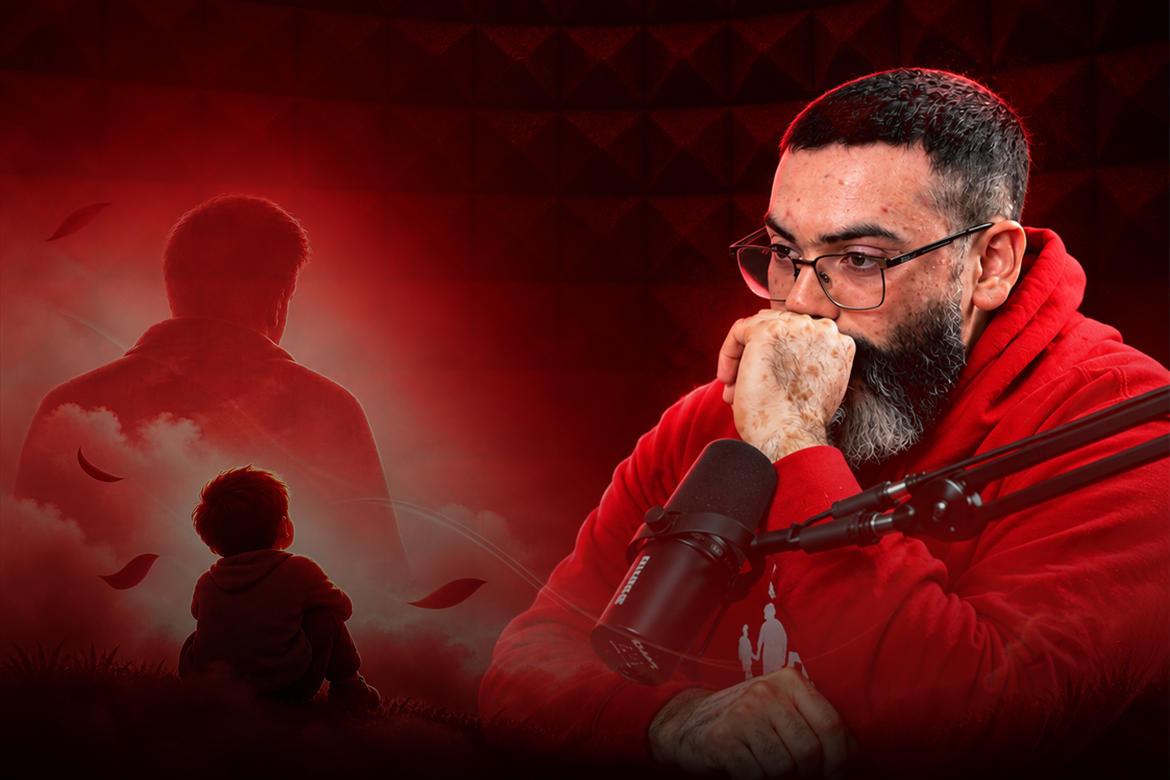
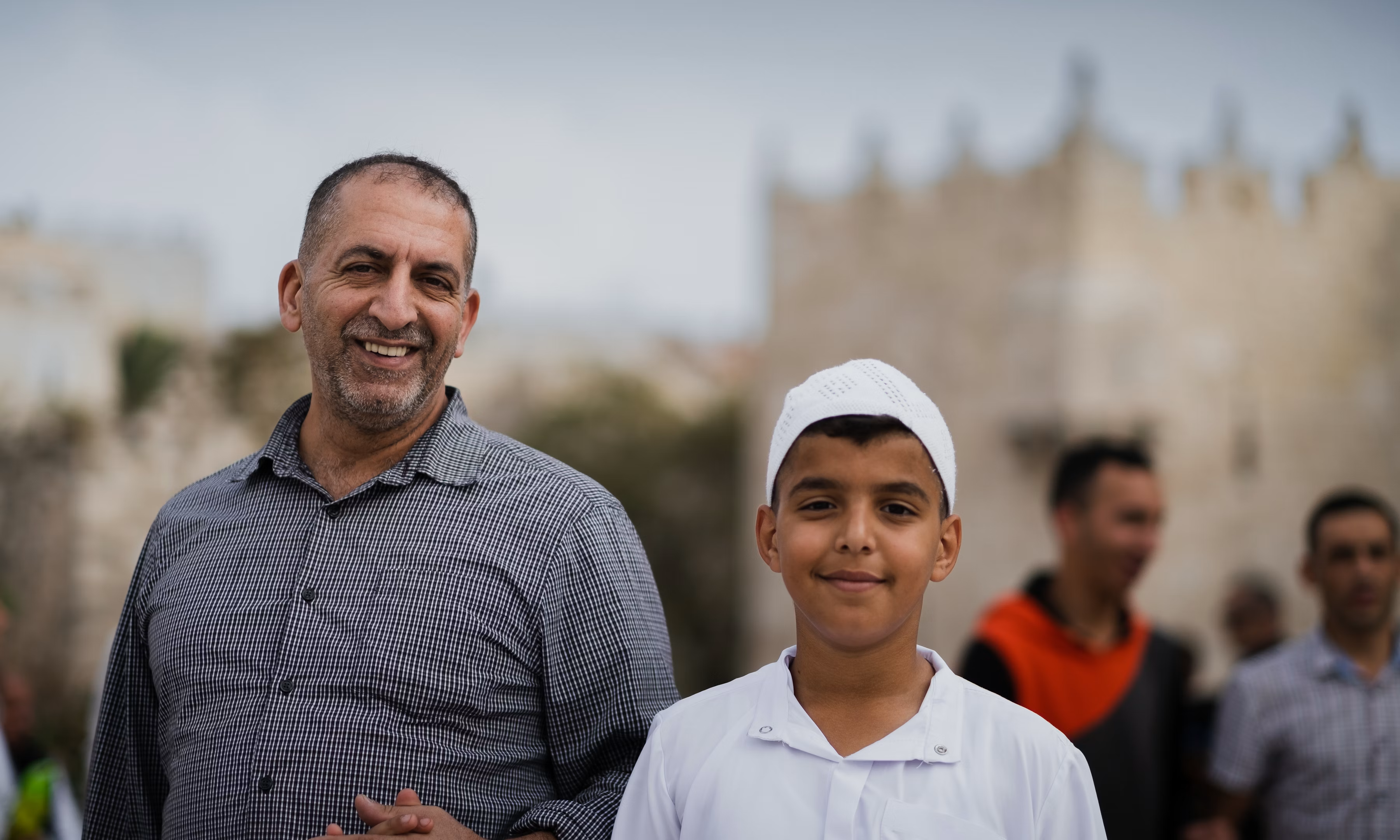
There is a version of Muslim masculinity that says: earn, provide, protect. If you do these three things, you are a good father and husband. Your presence at the dinner table is optional. Your emotional availability is a bonus, not a requirement.
This version of Muslim masculinity is not Islamic. It is cultural. And it is causing harm.
What the Prophet ﷺ Actually Modelled
The Prophet ﷺ was seen mending his own shoes. He helped with household chores. He played with his grandchildren. He wept publicly. He expressed tenderness openly.
This is the man who was described as having the best character of anyone who ever lived. And his character included a quality of presence and emotional availability that many Muslim men today would be uncomfortable attempting to model.
The hadith tradition is full of evidence of his engaged, tender fatherhood. This is not a minor detail. This is the Sunnah.
The Cost of Absent Presence
A man can be physically in the house and emotionally absent. Many Muslim fathers are. They work, they come home, they eat, they scroll their phones, they sleep. They provide financially. They would call themselves good fathers.
Their children experience them as distant. The daughter who cannot talk to her father about anything real. The son who has never seen his father cry, who has therefore never been given permission to feel.
These children grow into adults who replicate the same patterns or who rebel against them so violently that they lose their deen in the process.
What Engaged Fatherhood Actually Requires
Curiosity about your children. What are they thinking about? What are they afraid of? What do they find funny? Do you know?
Physical presence that is actually present. Phone away. Eyes making contact. Body turned toward them, not the screen.
Emotional vocabulary. You cannot tell your son that it is okay to feel sad if you have never said "I feel sad" in front of him. Modelling emotional literacy is not weakness. It is courage.
Repair. The ability to say "I was wrong" or "I'm sorry" to your child is one of the most powerful fatherhood acts available to you.
Beyond Breadwinning
You will not be remembered for how much you earned. You will be remembered for how you made your children feel whether they felt seen, heard, loved, guided. Whether they felt safe with you.
The rizq is from Allah. The tarbiyah is from you. Do not confuse your role.

Written by
Zain Jawwad
Mohammad Shoaib is the founder of Dadhood a platform helping Muslim fathers grow into emotionally present, spiritually grounded leaders at home. Father of three. Community educator. Host of the Dadhood Podcast.